“Isn’t putting a dog in a cage cruel?”
If you’ve ever asked this question, you’re not alone. Many first-time dog owners feel uncomfortable with the idea of crate training. It feels restrictive. Unnatural. Maybe even a little harsh.
But here’s what changes minds: understanding what crate training actually is.
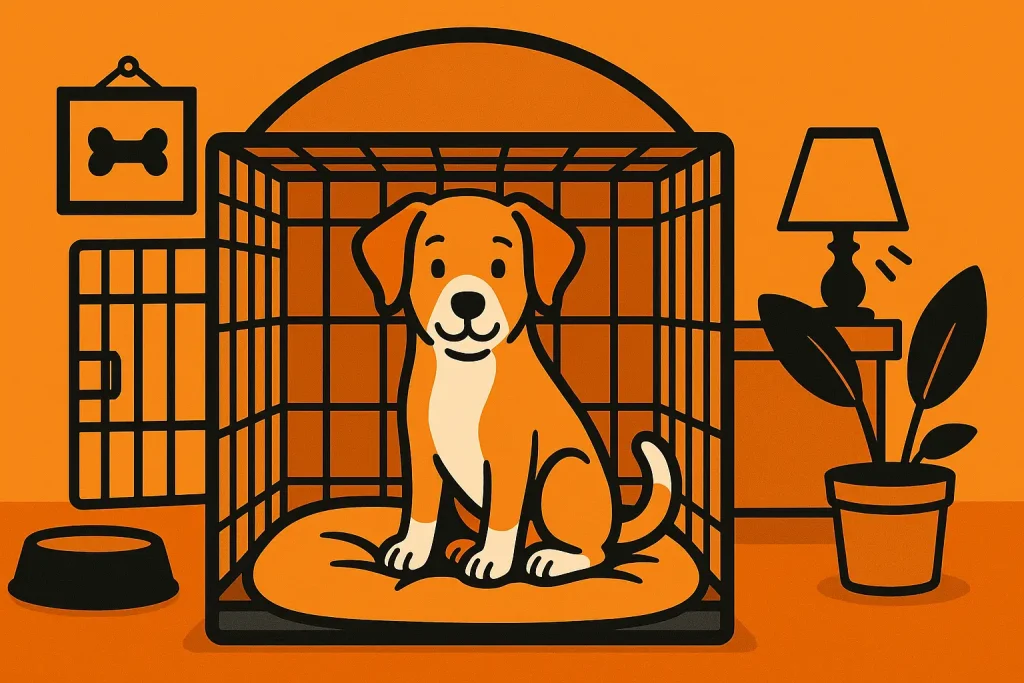
Done correctly, a dog cage becomes your pet’s favorite sanctuary. A quiet retreat. Their personal space where they feel genuinely safe and relaxed. Not a punishment. Not a prison. A den.
Before you start, you’ll need a safe, properly sized cage. You can explore our range of dog cages to find one that suits your dog’s breed and temperament.
Let’s walk through exactly how to make that transformation happen.
What Crate Training Is (And What It Definitely Isn’t)
Crate training teaches your dog to view their cage as a positive, comfortable space. Think of it like teaching a toddler that their bedroom is where they sleep and play, not somewhere they go when they’re in trouble.
What crate training IS:
- Creating a safe den that mimics your dog’s natural instincts
- Providing structure and routine
- A management tool during house training
- A way to prevent destructive behavior when you can’t supervise
- Preparation for necessary situations (vet visits, travel, emergencies)
What crate training is NOT:
- A substitute for exercise, attention, or training
- Appropriate for all-day confinement
- A punishment tool
- A shortcut to avoid addressing behavioral issues
- Necessary for every single dog (though most benefit significantly)
Dogs are den animals. Wild canines seek small, enclosed spaces for security and rest. Your dog has those same instincts. A properly introduced cage taps into that natural preference.
The difference between success and failure? How you introduce it.
Why Crate Training Benefits Both You and Your Dog
Still on the fence? Consider what successful crate training delivers.
For Your Dog
Security and safety. Dogs get overwhelmed. Overstimulated. Sometimes they just need a break from household chaos. A cage gives them somewhere to decompress without being bothered.
Faster house training. Dogs avoid soiling their sleeping area instinctively. This accelerates the house-training process dramatically when used correctly.
Reduced anxiety. Counterintuitive but true. Many dogs with separation anxiety improve once they have a consistent, enclosed space. It provides predictability in an unpredictable world.
Better behavior overall. Puppies left unsupervised destroy furniture, chew dangerous items, and develop bad habits. A cage prevents this during those critical early months.
For You
Peace of mind. You can shower, work from home, or run quick errands without wondering what destruction awaits.
Easier travel. A crate-trained dog handles car rides, hotel stays, and flights with significantly less stress.
Simplified vet visits. Most veterinary procedures require crating at some point. Dogs already comfortable with cages experience less trauma during medical care.
Protected belongings. Your shoes survive. Your couch cushions stay intact. Your sanity remains in place.
The key? Taking it slow and keeping it positive.
Your Step-by-Step Crate Training Plan
Crate training isn’t a weekend project. It’s a gradual process that requires patience, consistency, and realistic expectations.
Phase 1: The Introduction (Days 1-3)
Start with zero pressure.
Place the cage in a central location. Somewhere your family spends time. Not isolated in a basement or garage. Dogs are social. They want to be near their pack.
Leave the door open. Prop it or remove it entirely if possible. The cage should feel accessible, not threatening.
Make it interesting. Toss treats inside periodically throughout the day. Don’t force anything. Just let your dog discover that good things appear in there.
Add familiar scents. Place an old t-shirt you’ve worn inside. Your scent provides comfort and familiarity.
Some dogs investigate immediately. Others need days. Let them set the pace.
Phase 2: Building Positive Associations (Days 4-7)
Now you’re actively encouraging cage time.
Feed meals near or inside the cage. Start with the bowl just outside if your dog seems hesitant. Gradually move it deeper inside over several meals. Food creates powerful positive associations.
Use high-value treats. Not regular kibble. Special treats that only appear during cage-related activities. Cheese, small pieces of chicken, or whatever makes your dog’s tail wag fastest.
Play the “in and out” game. Toss a treat in. Your dog goes in and comes right back out. Repeat 10-15 times per session. Keep it fun and low-stakes.
Never close the door yet. Seriously. Rushing this step causes most failures.
Phase 3: Introducing Door Closures (Days 8-14)
Time to add duration, but carefully.
Start with seconds. Your dog goes in for a treat. You gently close the door. Immediately open it again. Treat and praise. Repeat until your dog seems completely comfortable.
Gradually increase time. Close the door for 5 seconds. Then 10. Then 30. Then a minute. Always stay right next to the cage during this phase.
Watch body language closely. Whining, pawing, or panic means you’ve moved too fast. Go back to shorter intervals.
End sessions on a positive note. Release your dog before they get anxious or start fussing. You want them thinking “that was easy” not “that was scary.”
This phase takes longer than most people expect. Don’t rush it.
Phase 4: Adding Distance (Weeks 3-4)
Your dog can handle closed-door time with you nearby. Now you slowly add distance.
Close the door and step back a few feet. Return immediately. Treat through the bars. Gradually increase your distance over multiple sessions.
Leave the room briefly. Start with 30 seconds. Build up to a few minutes. Return before your dog gets anxious.
Make your exits boring. No dramatic goodbyes. No guilt. Just calmly walk away and calmly return. Over-the-top departures create anxiety.
Vary your timing. Don’t always follow the same pattern. Sometimes you’re gone for 1 minute, sometimes 5, sometimes 2. Unpredictability prevents your dog from building anticipation anxiety.
Phase 5: Real-World Practice (Weeks 5+)
You’re ready for actual use now.
Use the cage when you leave the house. Start with genuinely short absences. Run to the mailbox. Drive around the block. Gradually extend to real errands.
Establish a routine. Dogs thrive on predictability. Crate at consistent times (during work hours, when you cook dinner, during your morning shower).
Always provide something to do. A stuffed Kong, a chew toy, or a puzzle feeder. Boredom leads to negative associations.
Night-Time Crating
Bedtime follows similar principles but with specific adjustments.
Place the cage in your bedroom initially. Especially for puppies. Your presence provides reassurance. You also hear when they need midnight bathroom breaks.
Establish a pre-bed routine. Last potty break, then straight to the cage with a small treat. Consistency signals bedtime.
Expect some initial fussing. Puppies especially will protest. Give them a few minutes to settle. Only release them if you genuinely think they need the bathroom, not just because they’re complaining.
Gradually move the cage if desired. Once your dog sleeps through the night consistently, you can slowly relocate it if you prefer it elsewhere.
Common Mistakes That Sabotage Progress
Even well-meaning owners make these errors.
Using the cage as punishment. Never, ever send your dog to their cage when they’ve been bad. It destroys all your positive associations instantly. The cage should only mean good things.
Leaving dogs crated too long. Adult dogs can typically handle 6-8 hours maximum (excluding sleep). Puppies need breaks every 2-4 hours depending on age. Excessive crating is genuinely cruel and causes physical and psychological harm.
Releasing during tantrums. If your dog barks, whines, or scratches and you immediately open the door, you’ve just taught them that noise works. Wait for a moment of calm, then release.
Moving too fast. The most common mistake by far. Slow progress beats forcing your dog and creating fear or anxiety.
Inconsistent use. Crating only occasionally or randomly makes it harder for your dog to adapt. Consistency builds comfort.
Forgetting exercise. A bored, energetic dog struggles in any confined space. Proper exercise before crate time makes everything easier.
Making the Cage Genuinely Cozy
Your dog won’t love their cage if it’s bare and uncomfortable. Create a space they actually want to spend time in.
The Right Bedding
Soft, washable bedding is essential. Look for crate-specific pads or beds that fit the dimensions properly. Too large bunches up. Too small leaves hard floor exposed.
For puppies or chewers, start simple. Old towels or blankets you don’t mind replacing work until they’re past the destructive phase.
Consider orthopedic options for older dogs. Joint support matters, especially if they’re spending hours in there.
Cover It Up (Maybe)
Crate covers create a den-like atmosphere. Many dogs settle faster with reduced visual stimulation. Breathable fabric covers work beautifully.
But not every dog needs one. Some prefer seeing their surroundings. Experiment to find what your specific dog prefers.
Entertainment and Comfort Items
Safe chew toys prevent boredom. Nylabones, Kongs, or other durable options give dogs something productive to do.
Stuff Kongs with frozen treats. Peanut butter (xylitol-free), plain yogurt, or wet dog food frozen inside keeps dogs occupied for ages.
Rotate toys regularly. Novelty maintains interest. What’s exciting today becomes boring by next week.
Pair one of our sturdy dog cages with a soft bed and a couple of chew toys to create a den your dog loves spending time in.
What NOT to Put Inside
Avoid collars and leashes. Strangulation hazards are real. Your dog should be naked in their cage (except in specific training situations under supervision).
Skip anything they could shred and ingest. Stuffed toys with squeakers, rope toys, or fabric items they might destroy become choking hazards.
No food or water for short periods. Unless it’s very hot or your dog has specific medical needs, skip the water bowl for crating under 4 hours. It just creates bathroom accidents.
How Long Does Crate Training Actually Take?
Be realistic. This isn’t a three-day transformation.
Most dogs adapt within 2-4 weeks with consistent, positive training. Some take longer. Rescue dogs with unknown histories or dogs with existing anxiety may need months.
Puppies generally adapt faster because they have no pre-existing negative associations. Adult dogs who’ve never seen a cage need more patience.
Age matters too. An 8-week-old puppy learns differently than a 2-year-old adult. Adjust your expectations accordingly.
Signs Your Dog is Successfully Crate Trained
You’ll know you’ve succeeded when:
- Your dog enters voluntarily when you open the door
- They settle quickly without excessive fussing
- They choose the cage for naps even when the door is open
- You can leave and return without dramatic reactions
- Their body language shows relaxation (lying down, sighing, sleeping)
What Struggle Looks Like
Persistent anxiety after several weeks might indicate you’re moving too fast or your dog has deeper issues requiring professional help.
Constant accidents in the cage suggests medical problems or that the cage is too large.
Destructive behavior toward the cage itself (bending bars, breaking out) means you need a different approach or a more secure cage type.
Don’t be afraid to consult a professional trainer or veterinary behaviorist if you’re stuck.
Your Dog’s Personal Sanctuary Awaits
Crate training transforms your relationship with your dog. It provides structure when they need it most. Protection when you can’t watch them. Comfort when they’re overwhelmed.
But only if you do it right.
Take your time. Stay positive. Respect your dog’s pace. Make the cage genuinely comfortable and rewarding.
The payoff? A dog who trots happily into their den, settles immediately, and rests peacefully. A dog who’s safer, calmer, and better behaved. An owner who can breathe easier knowing their furry friend is secure.
That cage isn’t a punishment. It’s a gift. To both of you.
Start today. Stay patient. Watch the transformation happen.